Fragmented conversations
Feedback spread across email, chat and the help desk.
(07)Case study · Concept build
B2B SaaS
(01)Context
Niasus is a hypothetical enterprise SaaS company with a fast-growing support team handling tickets across email, live chat and a help desk. It had plenty of customer feedback, but no way to see the big picture in it.
(02)The challenge
Managers could read individual tickets but not the patterns across thousands of them. Customers described the same problem in different words, so keyword search missed connections. A single defect affecting hundreds of customers looked like hundreds of unrelated requests. Niasus didn't need another ticketing tool; it needed an intelligence layer on top of the one it had.
Feedback spread across email, chat and the help desk.
The same issues, described differently every time.
Managers reviewed tickets by hand to connect the dots.
Workarounds lived in old conversations nobody could find.
(03)At a glance
Illustrative pilot targets for a proposed implementation, not measured results.
(04)Our approach
Integrate with the existing help desk and keep current workflows.
Ticket counts and trends come from the database; the AI handles meaning and summaries.
Each finding links back to the real tickets behind it, and patterns are presented as leads to investigate, not verdicts.
(05)What we built
Category, product area, sentiment, urgency and escalation risk tagged on arrival, with low-confidence cases sent for review.
“Customers who lost access after enabling SSO” finds related tickets even when the wording differs.
“Dashboard won't load”, “analytics page is blank” and “charts disappeared” are grouped as one potential issue.
The recurring problem, sample reports, timing, affected features and suggested next steps, all with sources.
An early warning when complaints about one area suddenly spike.
Managers ask “Why are customers contacting us about integrations?” and get an evidence-backed answer.
(06)In practice
Complaints about data sync rise after a release. The system spots the increase, groups related tickets, compares them with historical patterns, notes the timing and alerts engineering. It flags the release as a correlation to check, not a confirmed cause.
(07)Showcase
(08)Under the hood
Search quality is measured with
(09)Designed to achieve
Faster discovery of past cases, less manual issue analysis, more consistent categorization and earlier warning of problems, plus product, engineering and customer-success teams working from the same customer evidence.
Niasus
From ticket management to support intelligence.
Niasus is a hypothetical client. The architecture, workflows and metrics describe a proposed reference implementation, not a verified client deployment.
(→)Next case study
Client · Bimaline
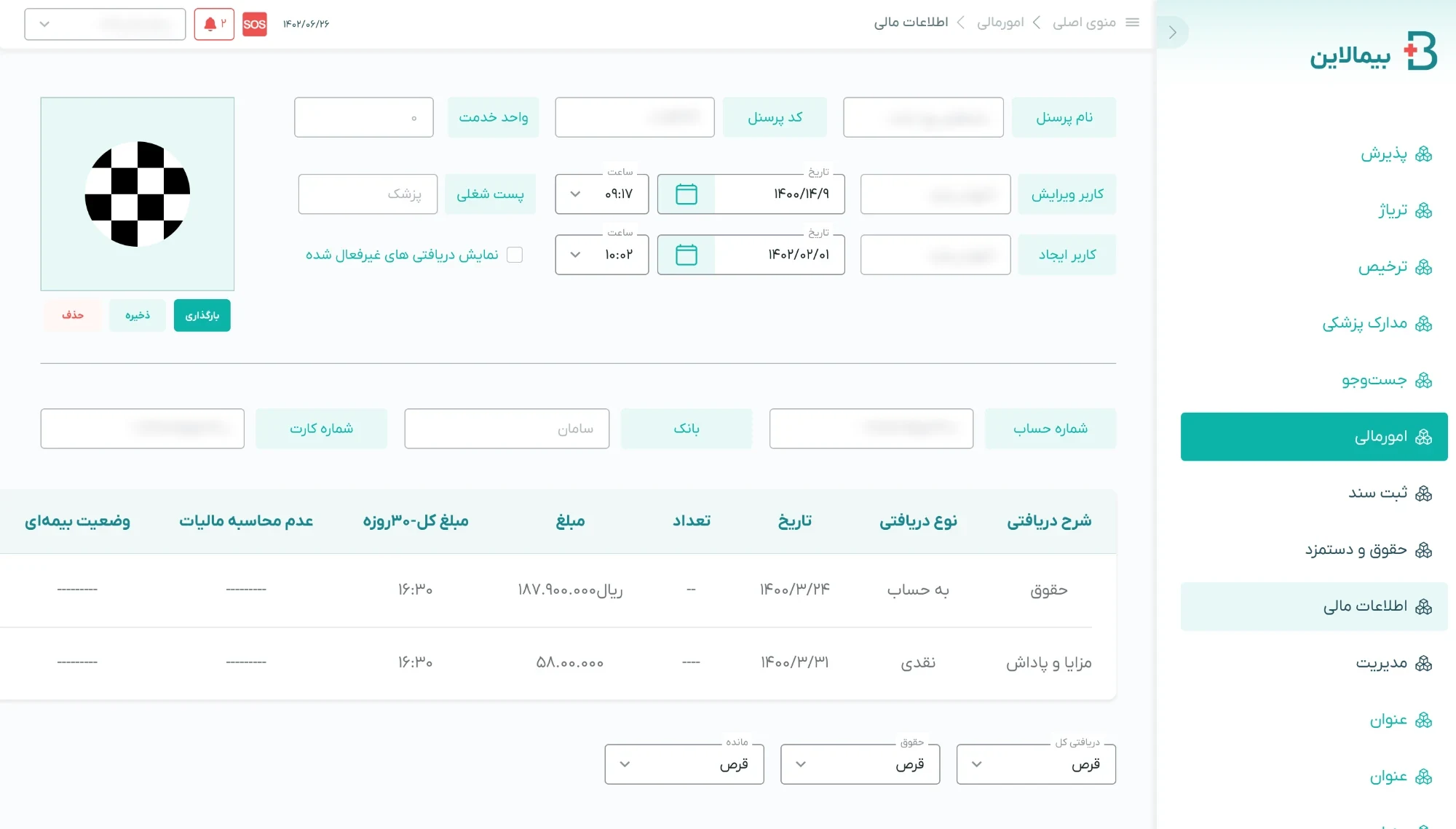
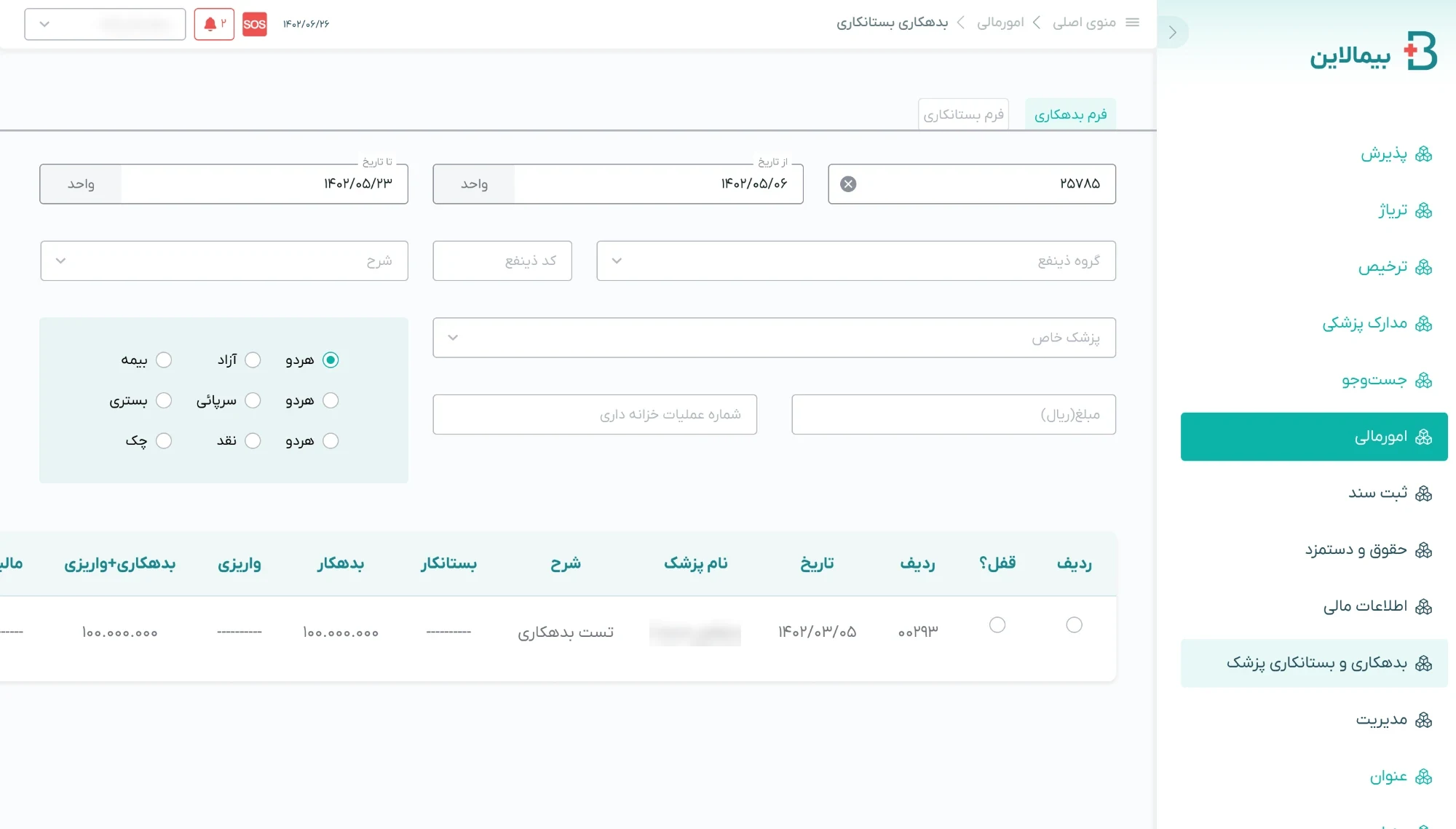
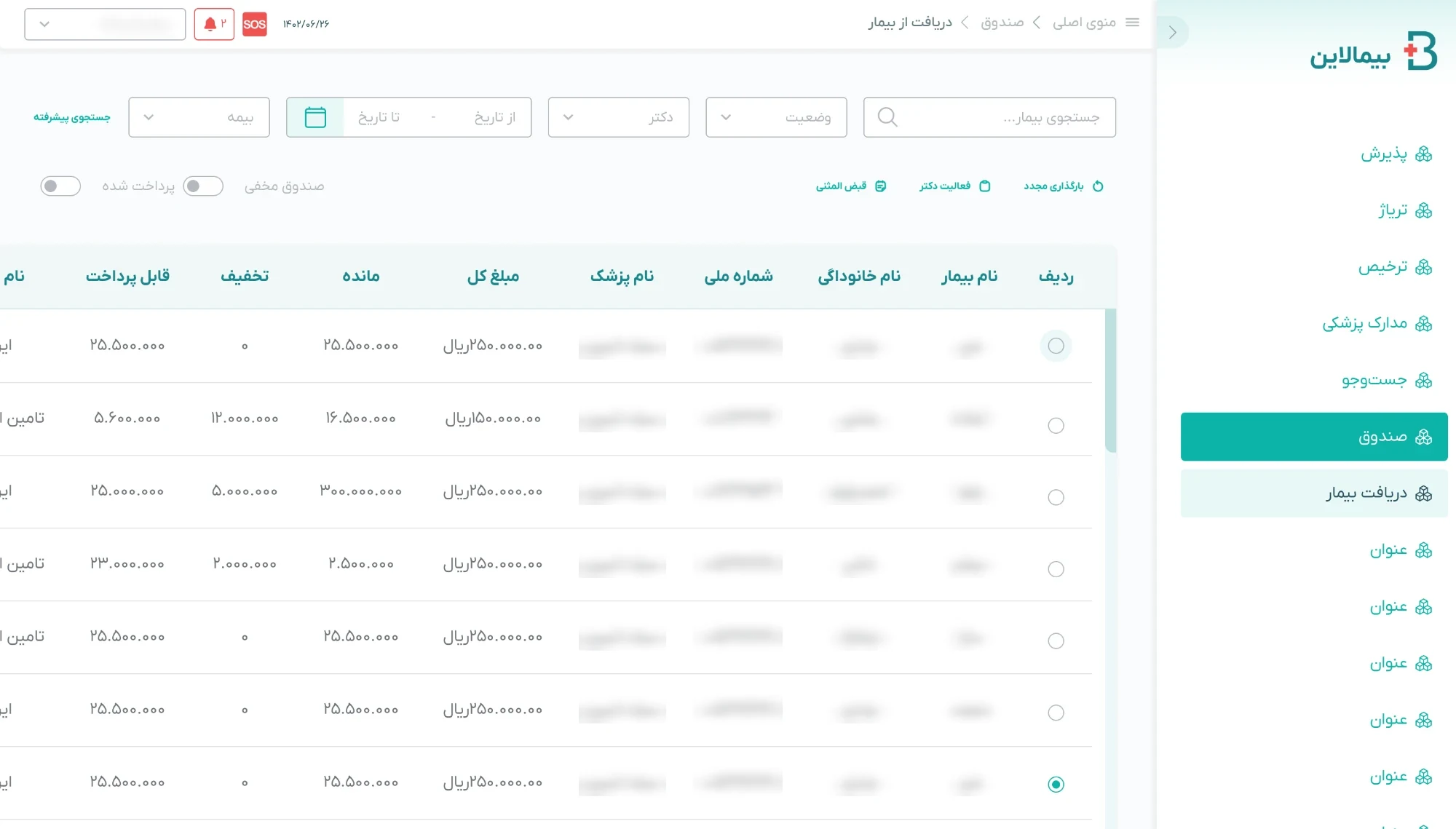
A complete hospital information system of 32 connected subsystems, in use across multiple hospitals.
(11)Contact
Tell us about your product, timeline and constraints. You’ll hear back from a senior engineer within one business day — with questions, not a sales deck.
contact@overc.io